Hymn for Sunday?

Posted this on my hymns page ages ago, but it seemed to go well with this Sunday’s gospel, so here it is. As always, help yourself, no CCLI required.  The tune is Tyrolean melody (A man there lived in Galilee).

There came a shepherd from the hillside
searching all alone.
He came to seek and save the lost,
And welcome us back home.
‘O come to me, beloved child’,
The shepherd spoke his plea:
‘Your heart will never find its rest
Until you rest in me.’

We hoped to prove our worthiness
in duty and in care;
We sought you, Lord, in rules and laws,
And thought to find you there.
In all our searching, we forgot
What deep inside we knew:
Our hearts could never find their rest
Unless it was in you.

O search us out and know our ways
In waking and in sleep;
Protect us through the day and night
And in your presence keep.
We travel on in life and faith
And find that it is true:
Our hearts will never find their rest
Until we rest in you.
Pictures

I’m a rubbish photographer, but once in a blue moon I take a picture that I want to look at again. Here is a handful of them – and I’m posting them here mostly so I can find them!

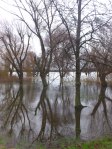
Last year’s floods:

2012-12-26 14.37.30

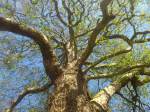
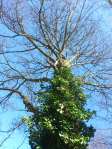
A truly spectacular tree against a spectacularly blue sky.

2013-04-20 13.36.02

2013-05-27 17.11.18


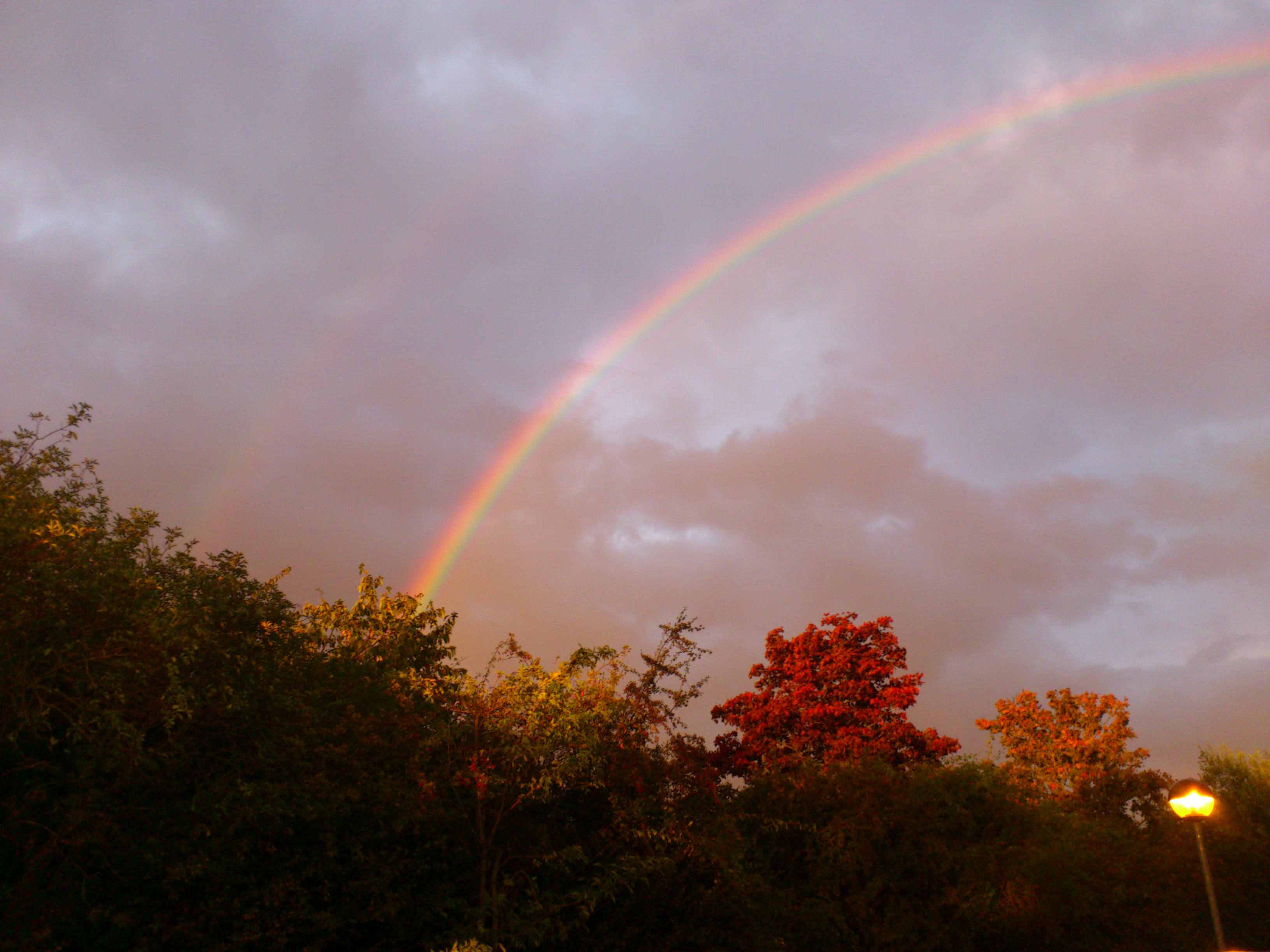
Some sky, of various colours:

2012-05-30 17.11.51

DSC_0371


A leaf, seemingly suspended in mid-air.
It was probably on a spider’s web.
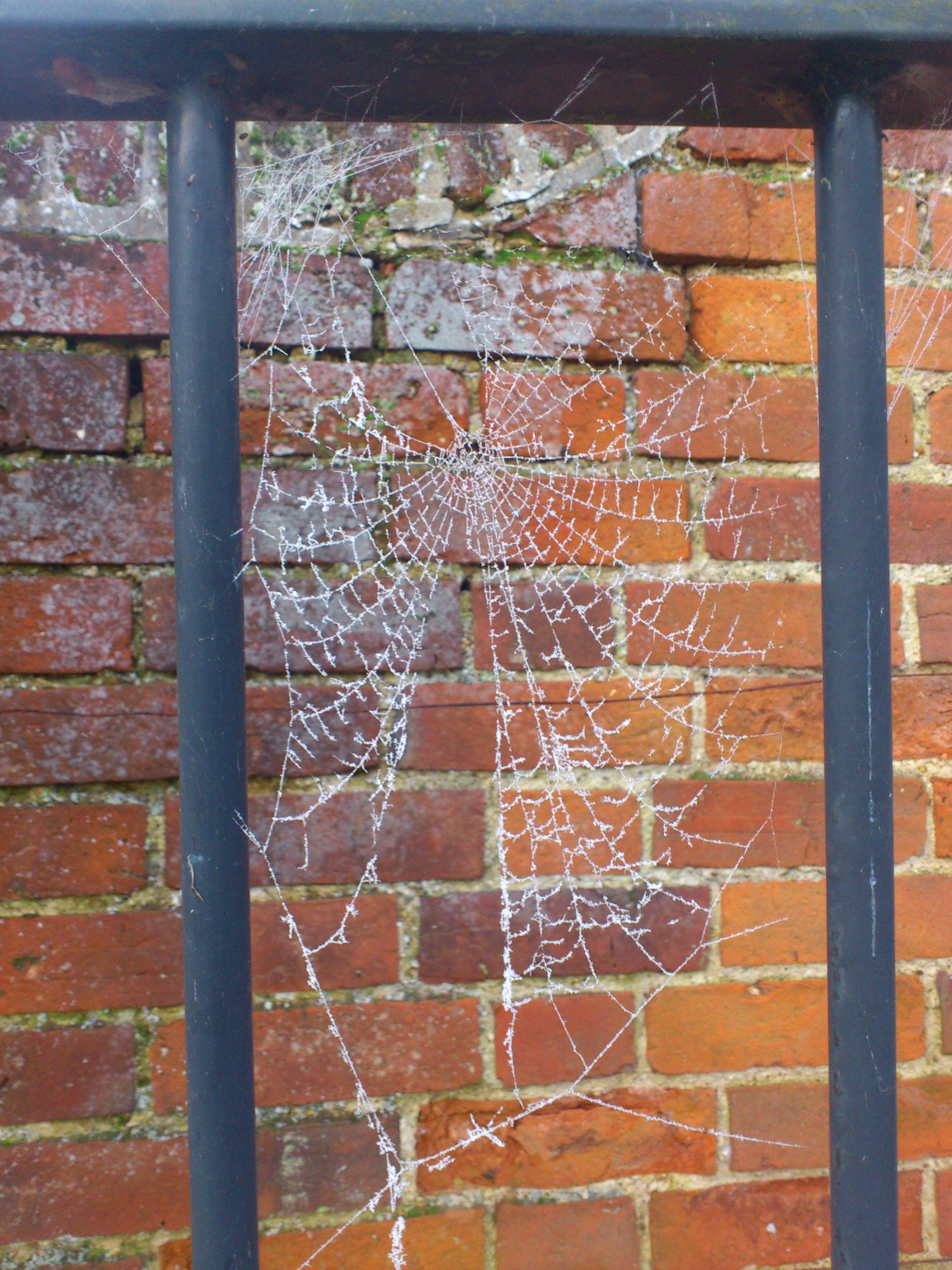
And then an actual spiders’ web, with dew on it.

2012-10-23 10.55.452012-12-12 12.49.14

The Kingdom of heaven is like this: a chocolatier created a box of chocolates…

A random thought on Luke 14.7-14

And Jesus told this parable. The Kingdom of Heaven is like this: A chocolatier invented a variety of chocolates, and made them in his factory, and he called the collection, “Roses”.  He invited his friends round to try his creation, and offered them the box of delicious treats – but they did not know that he himself was the chocolatier. His friends all chose the strawberry cremes and the purple ones with the caramel and the hazelnut, and when they were gone they chose the tangy orange creme and the golden barrel.

Eventually all that was left were the plain country fudges. The man kept offering the box of chocolates to his friends, but they declined, saying, “Country fudge is not interesting, I don’t know why they bother putting them in the box, because nobody likes them.”

So the man said goodbye to his friends, for it was late.  He then gathered up the country fudges that had been rejected, and put them in a special bowl reserved for only the finest chocolates, and poured himself a glass of Bailey’s, and settled down on his comfy sofa to read his favourite book.  And as he read, he ate every single country fudge, and found them all to be delightful – and he would know, because, after all, he was the master chocolatier.

For surely the first shall be last, and the last shall be first. But it is when the first and last come together in a box that the true breadth and depth and height of the Kingdom of God and Love of God are made known – for in transit to the eternal feast the contents may settle, and one never knows when the box is opened on the latter day which of the many and delicious flavours will have risen to the top.

Amen.

A fun game to while away those summer holiday afternoons…

To play this game you will need:

  • A paved area of garden, patio or path
  • some chalk
  • some bored children (you need at least two to play the game – the more you have the bigger your play area needs to be)

DSC_1143

Here’s how to play:

When you’ve chosen your play area, draw a symbol, letter, number or other simple picture on each paving stone.  Symbols we have used include:

  • House, tent etc
  • Initial letter of each person’s name
  • Numbers (especially ages of participants)
  • stars, moon, sunshine
  • rocket, aircraft, van, car, lorry
  • shapes (square, triangle, circle)
  • maths symbols (infinity, =, +, x etc)
  • stripes, tick, cross, squiggle, heart, question mark
  • emoticons
  • anything else you like!
  • arrows

Take it in turns to shout out a move, indicating what kind of image the participants need to jump to next.  Some moves we have done include:

  • Jump to a face (or body part, if you included hands)
  • Jump to something in maths (could be a number or a symbol)
  • Jump to a vehicle
  • Jump to something you might see in the sky
  • Jump to something with only straight lines
  • Jump to something with only curved lines
  • Jump to something to do with you
  • Jump to something to do with the number three
  • Jump like a chess piece (specify which piece!)
  • Jump at random until the person says ‘now’
  • Jump to your favourite picture
  • Jump to one you’ve not jumped on before
  • Jump as far as you can (or hop as far as you can!)
  • Jump to an arrow
  • Jump in the direction of your arrow (for one, two or three spaces!)
  • Anything else you can think of!

This is a really fun game, and it can last as long as you want!  The summer rain will wash the pictures off every so often so you can draw a new play area next time.

Harvest festival poem

I posted a version of this poem rather after all the harvest festivals last year, so I thought I’d post this shorter version again in case it’s any use to anyone planning harvest songs-of-praise type services in which you need multiple readings!

We bring the spare we do not really need
(for surely God will honour all we bring
although it cannot make up for our greed).
And place into Christs’s hands our offering:
“Turn water into wine again,” we say,
“and multiply my token loaves and fish
to feed another hungry crowd today.”
Our gifts, we know, will put some flesh
on words of charity. Then into those
twelve empty baskets, let us place the gifts in us
that need to be increased and shared
with greater generosity than we may be prepared
to offer on our own account.
For we are God’s most rich and splendid bounty,
sown as seeds in every place
the human race:
the crowning glory
of the ever-evolving creation story.
We thank God that he does not only separate the wheat from tare,
but takes our very best then turns us into far more than we are.